Rug Cleaning in Your Space: A Practical, Stylish, and SEO-Friendly Approach to Fresher Floors
Rugs do more than cover a floor. They soften sound, add warmth, define spaces, and bring color and texture into a room. Yet rugs are also magnets for dust, allergens, foot traffic, pet dander, spills, and everyday wear. That is why rug cleaning is one of the most important parts of maintaining a healthy, attractive home or business. Whether you have a delicate hand-knotted piece, a modern synthetic area rug, or a high-traffic runner, proper rug cleaning helps preserve beauty, extend lifespan, and support a cleaner indoor environment.
Many people underestimate how much grime settles deep into rug fibers over time. Vacuuming helps, but it cannot remove everything. Sand, soil, oils, and microscopic debris often stay trapped beneath the surface. This can make rugs look dull, cause lingering odors, and even reduce indoor air quality. Professional rug cleaning services and the right maintenance habits can make a dramatic difference. With the right approach, your rugs can look brighter, feel softer, and last far longer than expected.
In this article, we’ll explore why rug care matters, the methods used in modern rug cleaning, how to protect different materials, and when to schedule professional help. You’ll also find practical tips for maintaining rugs between cleanings, improving results, and avoiding common mistakes. If you want cleaner, healthier, more inviting floors, learning the basics of effective rug cleaning is a smart place to start.
Why Rug Cleaning Matters for Every Home and Business
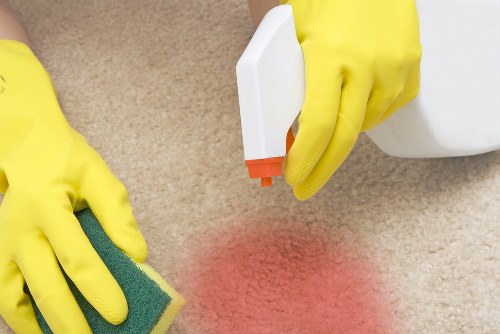
Rugs are exposed to constant use, which means they collect more than visible dirt. A rug in an entryway may trap grit from shoes. A rug in a living room may collect dust, crumbs, pet hair, and body oils. In offices, rugs can hold heavy traffic soil that dulls fibers and creates a worn appearance. Regular rug cleaning is essential because it does more than improve appearance; it supports cleanliness, longevity, and comfort.
One of the biggest benefits of professional or routine rug cleaning is the removal of embedded particles that vacuuming leaves behind. These particles can act like fine sandpaper, slowly wearing down fibers every time someone walks across the rug. Over time, this leads to flattening, discoloration, and a tired-looking surface. By investing in consistent rug cleaning, you help protect your textile investment and keep your interior looking polished.
There’s also a health angle. Rugs can trap allergens such as pollen, dust mites, and pet dander. While that may sound helpful at first, those trapped pollutants can become airborne again when the rug is disturbed. For households with children, pets, or allergy-sensitive occupants, cleaner rugs can contribute to a more comfortable environment. For businesses, cleaner rugs help create a more professional impression and support better indoor hygiene.
Understanding Different Types of Rugs
Not all rugs are made the same, and rug cleaning should be tailored to the material, construction, and dye stability of the rug. A delicate wool rug behaves very differently from a durable synthetic one. Handmade rugs may include natural fibers, vegetable dyes, fringe, and intricate weaving that require extra care. Machine-made rugs, on the other hand, may tolerate more aggressive methods, though they still need proper handling.
Common rug types include:
- Wool rugs – soft, resilient, and naturally soil-resistant, but sensitive to harsh chemicals and excess moisture.
- Silk rugs – luxurious and delicate, requiring specialized rug cleaning techniques.
- Cotton rugs – often lightweight and easy to move, but may shrink or bleed if cleaned incorrectly.
- Synthetic rugs – durable, often stain-resistant, and suitable for many cleaning methods.
- Jute or sisal rugs – natural fiber rugs that can be damaged by too much water.
Knowing what your rug is made of helps determine the safest and most effective cleaning plan. If you’re unsure, check the label, ask the manufacturer, or consult a professional before attempting deep rug cleaning at home. The right approach protects fibers, backing, dyes, and structure while still delivering excellent results.
Common Signs Your Rug Needs Cleaning

Sometimes it’s obvious when a rug needs attention. A spill, stain, or unpleasant smell is hard to ignore. In other cases, the signs are more subtle. A rug may appear slightly faded, feel rough underfoot, or release dust when shaken. These are all clues that it may be time for rug cleaning.
Watch for these common warning signs:
- Visible stains from food, drinks, mud, or pet accidents.
- Dull colors caused by accumulated soil and residue.
- Odors that remain after vacuuming.
- Flattened fibers from heavy foot traffic.
- Allergy flare-ups that may be linked to dust and allergens trapped in the rug.
- Sticky or rough texture that indicates buildup on the fibers.
Some homeowners wait until a rug looks visibly dirty, but by then the grime may already be deeply embedded. A better strategy is to think of routine rug cleaning as preventative care. This approach helps preserve the rug’s appearance and reduces the chance of permanent damage from stains and soil buildup. The earlier a rug is cleaned, the easier it often is to restore its original look and feel.
Professional Rug Cleaning Methods Explained

Professional rug cleaning is not a one-size-fits-all service. Reputable cleaners typically begin with an inspection to assess fiber type, construction, condition, odors, and stains. From there, they choose the safest process for that specific rug. This customization is one reason professional results often outperform DIY methods.
Common professional methods include:
- Dusting – removes dry soil and grit before washing.
- Pre-treatment – targets stains and heavy soil with fiber-safe solutions.
- Immersion washing – used for certain rugs that can safely be fully washed.
- Low-moisture cleaning – suitable for delicate rugs or rugs sensitive to saturation.
- Rinsing and extraction – removes cleaning residues and suspended dirt.
- Controlled drying – helps prevent odor, shrinkage, and mold growth.
Some rugs benefit from specialized treatment such as deodorization, fringe cleaning, or color correction. A skilled professional knows how to balance cleaning power with fiber protection. That balance is especially important for antique or high-value items, where improper rug cleaning could cause irreversible damage.
Another major advantage of professional service is consistency. While home methods may improve a rug temporarily, professional equipment and training usually produce deeper, more even results. If your rug is expensive, sentimental, or heavily soiled, professional rug cleaning can be the safest and most effective option.
DIY Rug Cleaning: What You Can Do at Home
Not every rug issue requires professional intervention. Routine care at home plays a major role in keeping rugs clean between deeper treatments. Simple habits can reduce buildup, minimize stains, and make future rug cleaning much easier.
Helpful at-home practices include:
- Vacuum regularly, especially in high-traffic areas.
- Rotate rugs every few months to reduce uneven wear and fading.
- Blot spills immediately with a clean, absorbent cloth.
- Use a rug pad to improve airflow and reduce friction.
- Shake out small rugs outdoors when appropriate.
- Keep shoes off rugs in busy indoor spaces when possible.
When tackling a small spill, act quickly but carefully. Blotting is better than rubbing, because rubbing can push liquid deeper into the fibers and spread the stain. Use cool water first unless the rug manufacturer recommends another approach. Mild cleaning solutions may help with some stains, but test any product on a hidden area before using it more widely. A cautious, fiber-friendly approach is the best way to support safe DIY rug cleaning.
It’s important to know your limits. Some stains, such as red wine, urine, ink, or dye transfer, may require professional treatment. Over-wetting a rug can also create problems like browning, shrinkage, or mildew. If you’re not confident about a rug’s material or the stain’s origin, it’s better to pause and consult a specialist rather than risk damaging the piece.
Stain Removal Tips for Better Rug Cleaning Results
Stain removal is one of the most searched aspects of rug cleaning, and for good reason. Spills happen quickly, but permanent marks can linger for years if they are not treated properly. The key is to respond fast, use the right method for the stain, and avoid harsh scrubbing that can damage fibers.
Here are practical stain removal tips:
- Blot first to absorb as much liquid as possible.
- Work from the outside in to keep the stain from spreading.
- Avoid bleach unless a professional specifically recommends it.
- Test cleaning solutions on hidden areas before full use.
- Use a white cloth to prevent color transfer.
- Do not oversaturate the rug during spot treatment.
Different stains need different responses. Oil-based stains often require a degreasing approach. Protein stains, such as food or pet accidents, may need enzyme-based products. Tannin stains, like coffee or tea, may respond better to pH-balanced cleaners. Because there are so many variables, effective rug cleaning is often about matching the right solution to the right problem rather than using a single universal product.
If a stain has already dried, resist the urge to use force. Aggressive scrubbing can fray fibers and set the stain even deeper. A careful pre-treatment process paired with professional rug cleaning is often the most reliable way to restore the rug without causing damage.
How Often Should Rugs Be Cleaned?
The right rug cleaning schedule depends on traffic, location, pets, children, and the rug’s material. A low-traffic bedroom rug will usually need less frequent deep cleaning than an entryway runner or family room area rug. In homes with pets or allergies, cleaning intervals may need to be shorter to manage hair, dander, and odors.
General timing suggestions include:
- Weekly vacuuming for most rugs, more often in busy areas.
- Spot cleaning immediately after spills or accidents.
- Deep cleaning every 6 to 12 months for many household rugs.
- More frequent professional cleaning for homes with pets, children, or heavy foot traffic.
- Specialized care for antique, silk, or handmade rugs when recommended by an expert.
Seasonal cleaning can also be useful. For example, spring cleaning often removes winter grime, while fall cleaning prepares rugs for increased indoor activity. Keeping a regular schedule helps maintain appearance and reduces the burden of heavy buildup. Consistent rug cleaning is easier and more cost-effective than waiting until a rug looks severely worn.
Factors That Affect Cleaning Frequency
Several factors can influence how often rugs need attention. These include climate, household size, footwear habits, nearby construction dust, and whether the rug sits under furniture or in open traffic paths. A rug in a sunny room may also fade more quickly, making rotation and careful care important. In short, the best schedule is the one matched to the rug’s actual use.
Benefits of Professional Rug Cleaning Services
Professional rug cleaning offers benefits that are difficult to match with basic home care. First, professionals bring experience. They can identify fiber types, spot risks, and choose the correct method. Second, they use specialized tools and solutions designed to remove deeper soil without harming the rug. Third, they can address odor, bacteria, and stubborn stains more effectively than most household products.
Other key advantages include:
- Deeper soil removal for a cleaner overall result.
- Better stain treatment for difficult spots.
- Reduced risk of damage through trained handling.
- Improved texture and appearance after cleaning.
- Longer rug lifespan when maintenance is done correctly.
- Convenience for homeowners and businesses with busy schedules.
Professional rug cleaning is especially valuable for rugs that are valuable, sentimental, or difficult to replace. It is also a smart choice when odors persist after repeated spot treatments, or when a rug has multiple stains from different sources. If your goal is a cleaner, more vibrant space, the right service can make a noticeable difference. Contact us today to explore options that fit your needs, or book your service now when you’re ready to refresh your rugs.
How Rug Cleaning Supports Better Interior Design
Clean rugs improve the look and feel of a room instantly. A freshly cleaned rug can brighten a space, sharpen colors, and make furniture arrangements feel more intentional. When rugs are dirty or faded, even a well-designed room can feel tired. That is why rug cleaning is not just about hygiene; it is also about presentation and style.
Interior designers often treat rugs as anchor pieces. They define zones, soften hard surfaces, and complement wall colors, flooring, and furnishings. If the rug is dirty, the whole room can lose balance. On the other hand, when the rug is clean and well-maintained, it supports the overall aesthetic and creates a more welcoming atmosphere. Regular rug cleaning helps preserve the visual impact of your décor.
For commercial spaces, appearance matters even more. In lobbies, waiting rooms, hotels, and offices, rugs contribute to first impressions. A fresh, clean rug signals attention to detail and care. That is another reason many businesses prioritize scheduled rug cleaning as part of their maintenance routine.
Environmental and Material Considerations
Modern rug care is increasingly focused on sustainability and material safety. Many people want cleaning methods that are tough on dirt but gentle on the environment. Eco-conscious rug cleaning may use low-impact detergents, controlled water use, and efficient extraction methods that reduce waste. These options can be especially appealing for households that prefer greener maintenance choices.
Material safety is just as important. Natural fibers, dyed textiles, and handcrafted rugs may react differently to pH levels, temperature, and moisture. A safe cleaning process respects those variables rather than forcing a one-method-fits-all solution. When done correctly, eco-friendly rug cleaning can deliver excellent results while supporting a healthier indoor setting.
For consumers who value long-term sustainability, preserving a rug is also a form of waste reduction. Instead of replacing a worn-looking rug too soon, proper care extends its useful life. That means fewer replacements, less landfill waste, and better value from each purchase. Thoughtful rug cleaning is both practical and responsible.
Best Practices for Long-Term Rug Care
Keeping rugs in good condition requires more than occasional deep cleaning. Day-to-day habits matter. By combining preventative care with scheduled rug cleaning, you can protect your investment and maintain a fresh-looking room year-round.
Long-term care tips include:
- Use doormats at entrances to reduce tracked-in dirt.
- Vacuum slowly to allow suction to lift more debris.
- Avoid direct sunlight when possible to reduce fading.
- Address spills immediately before they settle.
- Move furniture occasionally to prevent permanent indentations.
- Schedule periodic professional cleaning for deeper maintenance.
It also helps to pay attention to placement. Rugs near doors, kitchens, or pet zones will naturally need more care than rugs in guest rooms or low-use areas. If you have layered rugs, make sure the top and bottom surfaces are both being maintained appropriately. A smart routine can make rug cleaning easier, faster, and more effective over time.
Choosing the Right Approach for Your Rug
Every rug has a story, and every rug needs a care plan that matches its life. The best rug cleaning method depends on fiber type, stain history, traffic level, and construction. A durable synthetic rug in a busy hallway may need different treatment than a delicate wool rug in a formal room. The more you understand about your rug, the better decisions you can make about maintenance.
When to Call a Professional
If your rug is antique, expensive, heavily stained, or made from delicate materials, professional help is the safest choice. The same is true if you notice color bleeding, strong odors, mildew, or a stain that keeps returning after spot cleaning. In those situations, expert rug cleaning can save time, reduce stress, and protect the rug from further damage. If your goal is freshness, beauty, and long-term value, now is a great time to book your service now and restore your rugs with confidence.
Rug cleaning is a smart investment in your space. It protects fiber quality, improves indoor comfort, removes buildup that vacuuming alone cannot handle, and helps rugs look their best for longer. With the right mix of regular maintenance, careful spot treatment, and professional deep cleaning when needed, your rugs can remain clean, vibrant, and inviting. Whether you’re caring for a cherished handmade piece or a practical everyday rug, consistent attention makes all the difference. If your floors could use a refresh, Contact us today and take the next step toward cleaner, healthier, and more beautiful rugs.