End of Tenancy Cleaning in [LOCATION]: A Practical, SEO-Friendly Guide for Tenants, Landlords, and Letting Agents
Understanding End of Tenancy Cleaning in [LOCATION]
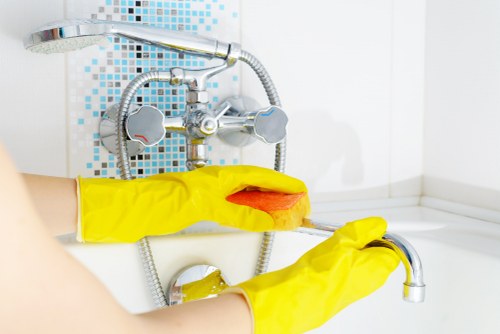
End of tenancy cleaning in [LOCATION] is one of the most important tasks to complete before a rental property is handed back to a landlord or letting agent. Whether you are a tenant preparing to move out, a landlord getting ready for new occupants, or a letting agent managing a turnaround, a thorough clean can make a major difference to the final inspection and the overall condition of the property.
At its simplest, end of tenancy cleaning is a deep, detailed cleaning process that goes far beyond routine household tidying. It focuses on areas that are often overlooked during normal cleaning, such as skirting boards, oven interiors, extractor fans, behind appliances, grout lines, and the inside of cupboards. In a busy rental market, end of tenancy cleaning in [LOCATION] is often the final step that helps ensure a smooth handover.
For tenants, the aim is usually to leave the property in the condition expected by the tenancy agreement, helping to reduce the risk of deposit deductions. For landlords and agents, a professionally cleaned property can be easier to market, more appealing to prospective tenants, and ready for a faster re-let. If you are searching for an efficient way to prepare for move-out day, book your service now and make the process far less stressful.
Why End of Tenancy Cleaning Matters
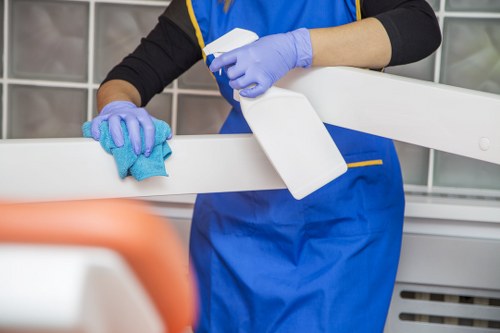
End of tenancy cleaning in [LOCATION] matters because it helps meet the expected standard at the end of a tenancy. Most rental agreements require the property to be returned in a clean and presentable state, allowing for fair inspection and reducing disputes over cleanliness. When a home is left neglected, small issues can quickly become reasons for withheld deposit money or delays in returning the keys.
From a landlord’s perspective, cleanliness is directly tied to presentation. A spotless kitchen, polished bathroom, and fresh living spaces can improve the first impression for the next tenant. This can be especially important in competitive housing areas where renters compare multiple properties at once. A well-cleaned home tends to photograph better, show better, and move faster through the letting process.
There is also a practical side. Deep cleaning can reveal maintenance issues that might otherwise go unnoticed. Marks on walls, limescale around taps, carpet damage, broken fittings, and appliance faults are often easier to identify once the property has been properly cleaned. In this way, end of tenancy cleaning in [LOCATION] supports both property care and efficient turnover.
What Is Typically Included in End of Tenancy Cleaning?

The exact scope of end of tenancy cleaning in [LOCATION] may vary depending on the property, the tenancy agreement, and whether the service is carried out by tenants or a professional cleaning team. However, a standard clean usually covers all rooms and major fixtures, with special attention given to high-use and high-visibility areas.
Common tasks often include dusting and wiping all reachable surfaces, cleaning doors and frames, wiping switches and sockets, sanitising kitchens and bathrooms, vacuuming and mopping floors, and removing built-up grease, soap residue, and dust. In many cases, it also includes cleaning inside cupboards, wardrobes, appliances, and other storage spaces.
Some properties need extra attention for items such as ovens, hobs, fridges, freezers, carpets, windows, and upholstery. In a furnished property, end of tenancy cleaning often extends to furniture surfaces, under-bed areas, and decorative items. Deep cleaning standards are usually expected, not just a quick tidy-up. This is why preparation and attention to detail matter so much.
Rooms and Areas Commonly Cleaned
When planning end of tenancy cleaning in [LOCATION], it helps to break the job down by room. This makes the work easier to manage and reduces the chance of missing essential tasks. A structured approach also helps ensure every space receives the same level of attention.
Typical areas that need cleaning include:
- Kitchen: oven, hob, extractor fan, cupboards, splashbacks, sink, taps, fridge, freezer, and floors
- Bathroom: toilet, basin, bath, shower, mirrors, tiles, grout, limescale, and fixtures
- Bedrooms: wardrobes, drawers, skirting boards, light fittings, windowsills, and floors
- Living room: shelves, furniture surfaces, switches, skirting, windows, and carpets
- Hallways and stairs: banisters, bannisters, marks on walls, floors, and handrails
Every property is different, but these core areas are usually non-negotiable. If any room has persistent dirt, stains, or odours, it may need additional work before the final inspection. Cleanliness is judged visually first, so visible freshness has a strong impact.
End of Tenancy Cleaning Checklist for Tenants

Tenants often face the greatest pressure when moving out, especially when balancing packing, removals, and new tenancy arrangements. A clear checklist can make end of tenancy cleaning in [LOCATION] much easier to manage. It also helps keep cleaning consistent and prevents last-minute panic.
Before starting, it is useful to read the tenancy agreement carefully. Some landlords expect professional-level cleaning, while others simply want the property returned in a reasonably clean condition. The agreement may also include instructions about carpets, ovens, windows, or garden areas. Once you know the expectations, you can plan the right level of cleaning.
A practical checklist might include the following steps:
- Remove all personal belongings and rubbish from the property.
- Dust ceiling edges, light fixtures, and ventilation grilles.
- Clean walls, switches, doors, and handles.
- Degrease kitchen surfaces and appliances.
- Scrub bathroom fixtures and remove limescale.
- Vacuum carpets, mop hard floors, and clean under furniture.
- Wipe down cupboards, drawers, and storage spaces inside and out.
- Check for any final touch-ups after the main clean is complete.
By following a clear sequence, you can avoid overlapping tasks and make the process more efficient. If time is short, many tenants choose a specialist end of tenancy cleaning in [LOCATION] service to reduce stress and improve results.
Why Professional End of Tenancy Cleaning Can Be Worth It

While some tenants prefer to clean the property themselves, there are strong reasons to consider professional end of tenancy cleaning in [LOCATION]. Professional cleaners usually have the tools, experience, and time needed to tackle stubborn dirt, grease, stains, and hard-to-reach areas. That can make a real difference in how the property looks during inspection.
One major benefit is consistency. A trained cleaning team follows a structured process, meaning no room or surface is ignored. Professional cleaners also know how to deal with challenging tasks such as oven interiors, limescale buildup, mould-prone bathroom areas, and greasy kitchen cabinets. This level of detail is not always easy to achieve during a rushed move-out period.
Another advantage is peace of mind. Moving house is already stressful, and having a dependable cleaning solution allows tenants to focus on packing, transport, and key handover. For landlords, professional support means a property can be turned around quickly and presented in excellent condition for the next occupants. In short, cleaning services designed for tenancy handovers can save time, energy, and frustration.
How End of Tenancy Cleaning Helps Protect the Deposit
One of the most common reasons tenants search for end of tenancy cleaning in [LOCATION] is to protect their deposit. While fair wear and tear is normally accepted, dirt, neglect, and poor cleanliness can lead to deductions. A property that has not been cleaned properly may require further work before it can be re-let, and those costs can sometimes be passed on to the tenant.
Deposit disputes often arise when expectations are not met. For example, if the oven is greasy, the bathroom has visible soap residue, or carpets have not been vacuumed thoroughly, a landlord may feel that additional cleaning is required. Even relatively small issues can become more serious if they accumulate across several rooms.
For that reason, it is wise to focus on detail cleaning. That means paying attention to the places people usually forget: behind radiators, inside cupboard corners, around taps, under sinks, and along skirting boards. A property that looks fresh, smells clean, and passes visual inspection is far less likely to trigger disagreements. If you want a smoother handover, end of tenancy cleaning in [LOCATION] is one of the most effective investments you can make.
Common Challenges During Move-Out Cleaning
Move-out cleaning can be challenging because it usually happens at the same time as packing, organising removals, and completing final paperwork. Tenants often underestimate how long end of tenancy cleaning in [LOCATION] takes, especially in larger homes or properties with heavy use. What starts as a simple task can quickly become an all-day effort.
Some of the most common challenges include built-up kitchen grease, bathroom scale and grime, carpet stains, paint marks, dust in hard-to-reach places, and food residue in appliances. Pets, children, and busy routines can also leave the property needing more attention than expected. In furnished homes, additional cleaning may be required for upholstery, mattresses, and furniture legs or undersides.
Another challenge is timing. If the property must be cleaned after all belongings are removed but before the checkout appointment, every hour counts. That is why it is helpful to plan the work in advance, gather supplies early, and start with the toughest areas first. When necessary, calling in a professional for end of tenancy cleaning in [LOCATION] can make the schedule much more manageable.
What Makes a High-Quality Cleaning Result?
Attention to Detail Matters
A high-quality result in end of tenancy cleaning in [LOCATION] is not just about making a property look tidy. It is about restoring a sense of freshness and care throughout the home. This means working systematically, checking each room carefully, and ensuring that no obvious dirt remains behind.
Details matter because inspections are often visual and practical. A clean surface, a spotless sink, and a dust-free skirting board all contribute to the overall impression. Even if a property is not brand new, it can still look very well maintained when every room has been cleaned properly.
The best results usually come from a combination of method, patience, and the right products. Degreasers, descalers, microfibre cloths, and suitable vacuum attachments can all improve the finish. That is why many people choose specialist cleaning support for end-of-tenancy moves rather than trying to complete everything in a rush.
Useful Cleaning Priorities
- Start with the dirtiest areas, such as kitchens and bathrooms
- Work from top to bottom so dust falls onto cleaned lower surfaces
- Use appropriate products for different materials and finishes
- Allow enough drying time before inspection
- Do a final walkthrough to catch missed spots
How Landlords and Letting Agents Benefit
End of tenancy cleaning in [LOCATION] is not only for tenants. Landlords and letting agents also benefit significantly from a property that has been thoroughly cleaned before new occupants move in. A clean property creates a positive impression, supports faster marketing, and can help maintain good relationships with incoming tenants.
When a home is well presented, it tends to stand out in listings and viewings. Prospective tenants are more likely to notice the light, space, and condition of the property when surfaces are clean and odours are removed. This matters in markets where competition is strong and first impressions are formed quickly.
There is also an operational advantage. A property that has been properly cleaned is easier to inspect, easier to photograph, and easier to prepare for new move-ins. Landlords who prioritise end of tenancy cleaning in [LOCATION] often reduce delays between tenancies and improve the overall rental experience.
Benefits at a Glance
- Improves presentation for photos and viewings
- Supports quicker tenant turnover
- Helps identify maintenance issues early
- Creates a more professional rental experience
- Reduces the chance of complaints from new tenants
When to Schedule End of Tenancy Cleaning
Timing plays a major role in achieving good results with end of tenancy cleaning in [LOCATION]. Ideally, the clean should be scheduled after most belongings have been removed, but before the final inspection or key handover. That way, every area is accessible and no time is wasted cleaning around boxes or furniture that will soon be gone.
If you are cleaning the property yourself, it helps to begin a few days before move-out with less intensive tasks such as decluttering, removing wall hooks where appropriate, and gathering supplies. The final deep clean can then take place when the property is empty. For larger homes, it may be useful to split the work across two sessions rather than trying to finish everything in one exhausting day.
For professional services, booking early is usually best, especially during busy moving periods. This ensures availability and gives enough time to coordinate around your removals schedule. A timely end of tenancy cleaning in [LOCATION] service can prevent last-minute stress and create a smoother transition to the next home.
Tips for Getting the Best Results
Whether you are cleaning yourself or hiring experts, a few smart practices can improve the final outcome of end of tenancy cleaning in [LOCATION]. Good preparation and organisation often matter just as much as the effort itself.
Useful tips include:
- Make a room-by-room plan before starting
- Use strong but safe cleaning products for stubborn marks
- Check appliances such as ovens, fridges, and microwaves separately
- Pay attention to areas behind doors and under radiators
- Open windows for ventilation while cleaning
- Take before-and-after photos for your own records
You should also avoid leaving the final clean until the very last minute. Rushed work can lead to missed details, and missed details are exactly what inspectors notice first. A methodical approach gives you a better chance of leaving the property in excellent condition and supports a smoother move-out experience.
If you want less pressure and better efficiency, contact us today to arrange your end-of-tenancy clean and make your move easier.
Final Thoughts on End of Tenancy Cleaning in [LOCATION]
End of tenancy cleaning in [LOCATION] is a crucial part of the moving process because it helps protect deposits, improves property presentation, and reduces stress for everyone involved. Whether the responsibility falls to a tenant, landlord, or letting agent, a properly cleaned property creates a better outcome all around.
By focusing on detail, planning ahead, and tackling each room thoroughly, you can achieve a finish that meets expectations and supports a smooth handover. From kitchens and bathrooms to carpets and cupboards, every area contributes to the final impression. In many situations, professional help can save time and deliver a more reliable result than a last-minute clean.
If you are preparing to move out soon, now is the ideal time to start planning. Book your service now and take the stress out of your next move with a reliable, high-standard cleaning solution that leaves the property looking its best.