Deep Cleaning in the Modern Home: A Practical Approach to a Healthier, Fresher Space
Why Deep Cleaning Matters More Than Ever
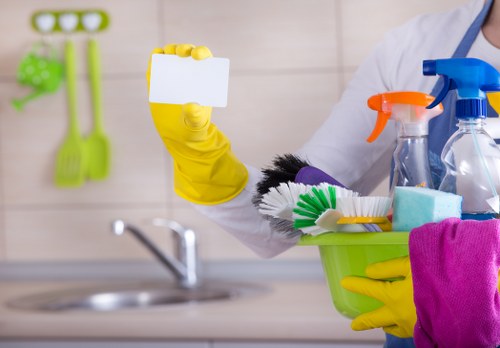
Deep cleaning is more than a seasonal chore; it is a targeted reset for your living space that helps remove built-up grime, hidden dust, and allergens that routine cleaning often leaves behind. In a busy home, surfaces may look tidy while bacteria, grease, and debris quietly collect in overlooked corners. That is where deep cleaning becomes essential.
Unlike everyday tidying, deep cleaning focuses on the areas you do not see at first glance. Think behind appliances, along baseboards, under furniture, inside vents, and around fixtures. These are the places where dust and residue tend to settle over time. A well-planned deep cleaning routine can improve indoor air quality, reduce odor, and create a more comfortable environment for family members and guests alike.
For homeowners and renters, deep cleaning also supports the long-term condition of the property. Regular deep cleaning can extend the life of flooring, countertops, cabinets, upholstery, and appliances. It is a practical investment in cleanliness, comfort, and maintenance that pays off in both appearance and function.
What Deep Cleaning Includes
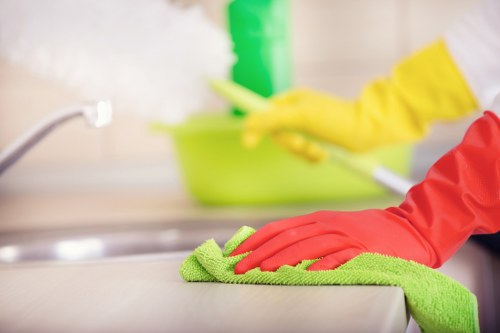
Deep cleaning is often confused with standard housekeeping, but the two serve different purposes. Routine cleaning keeps surfaces presentable, while deep cleaning reaches the buildup that accumulates over weeks or months. It is a more detailed process that requires extra time, the right tools, and a systematic approach.
Depending on the space, deep cleaning may include scrubbing grout, degreasing kitchen surfaces, washing doors and trim, disinfecting high-touch areas, and sanitizing bathrooms from top to bottom. It may also involve moving items to clean underneath them, clearing storage areas, and addressing neglected spots that collect dust and allergens.
Common deep cleaning tasks often include:
- Cleaning behind and under large furniture and appliances
- Washing walls, baseboards, and door frames
- Detailing kitchen appliances inside and out
- Scrubbing sinks, tubs, showers, and grout lines
- Vacuuming upholstery and carpet edges
- Dusting vents, ceiling fans, and light fixtures
A thorough deep cleaning checklist helps ensure nothing gets missed. Whether you are preparing for a special event, moving in, moving out, or simply refreshing your space, this type of cleaning creates a noticeable difference in both look and feel.
Deep Cleaning the Kitchen for a Fresh Start
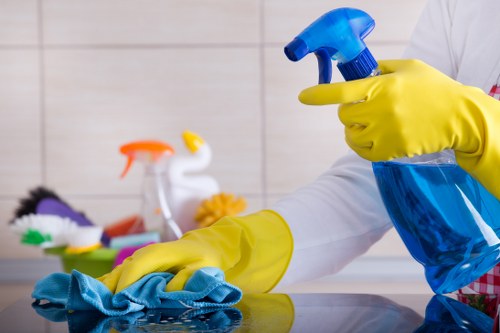
The kitchen is one of the most important places to focus on during a deep cleaning service or a DIY cleaning session. Food preparation, spills, grease, and moisture make it a hotspot for residue and germs. Even if the counters are wiped daily, many hidden surfaces still need attention.
Start by removing everything from countertops, cabinets, and drawers so you can clean the surfaces thoroughly. Wipe the inside of cabinets, sanitize handles, and check for crumbs or sticky residue. Grease tends to build up around stovetops, range hoods, and backsplash areas, so these require special degreasing products and a bit of patience.
Appliances deserve careful attention as well. Clean the microwave inside and out, scrub the refrigerator shelves, and wipe the oven door, knobs, and exterior panels. If possible, move the fridge and stove to vacuum and clean behind them. These hidden areas often hold a surprising amount of dust and debris.
Kitchen deep cleaning priorities
Focus on the following areas for the best results:
- Countertops, backsplash, and sink
- Cabinet fronts, handles, and interiors
- Refrigerator, microwave, oven, and dishwasher exteriors
- Baseboards, floor edges, and corners
- Trash bins and recycling containers
A kitchen deep cleaning routine not only improves appearance but also supports food safety. A cleaner kitchen can help reduce odors, discourage pests, and make everyday cooking more enjoyable.
Bathrooms and Hygiene-Focused Deep Cleaning

Bathrooms benefit greatly from deep cleaning because moisture creates the perfect environment for soap scum, mildew, and mineral deposits. Even a bathroom that looks neat may still harbor buildup around fixtures, shower tracks, drains, and tile grout. A detailed cleaning approach can restore brightness and improve hygiene.
Begin by clearing items from shelves, counters, and shower ledges. Clean and disinfect sinks, faucets, mirrors, toilet bases, and often-touched surfaces such as light switches and door handles. Shower doors and curtain liners should be scrubbed or washed to remove residue and odors. If there is grout discoloration, use a grout-safe cleaner and brush to lift stains safely.
The toilet deserves special care during a deep cleaning session. Clean the bowl, exterior, flush handle, seat hinges, and the surrounding floor area. Don’t forget hard-to-reach spots around the back of the toilet and behind it. These areas can be easy to miss but are essential to overall cleanliness.
Bathroom deep cleaning tips
- Use a non-abrasive cleaner on chrome and glass surfaces
- Apply a mildew remover where needed
- Scrub drain covers and sink stoppers
- Wash bath mats and replace worn liners
- Ventilate the room to reduce humidity after cleaning
When bathrooms receive consistent deep cleaning, the room feels fresher, looks brighter, and becomes easier to maintain between visits.
Living Areas, Bedrooms, and Hidden Dust Zones

Living rooms and bedrooms may not seem as messy as kitchens or bathrooms, but they often contain the most dust-heavy surfaces in the home. Upholstered furniture, curtains, rugs, bookshelves, and electronics collect fine particles that can affect comfort and air quality. Deep cleaning these spaces helps create a calmer and more restful environment.
Start by dusting from top to bottom. Ceiling fans, shelves, picture frames, lamps, and curtain rods should all be wiped or vacuumed. Then move to furniture, carefully cleaning under cushions, behind headboards, and beneath large pieces. If the room has carpet, pay attention to edges, corners, and under-furniture areas where dust often settles.
In bedrooms, deep cleaning can also include mattress care. Vacuum the mattress surface, rotate it if appropriate, and wash bedding, pillow covers, and mattress protectors. Closets should be cleared and organized periodically so that dust, lint, and forgotten items do not accumulate. A cleaner bedroom supports better sleep and a more peaceful atmosphere.
Areas people often forget
Hidden dust zones are common in almost every room. Be sure to check:
- Behind dressers and sofas
- Under beds and side tables
- Inside vents and air returns
- Along window sills and tracks
- On top of frames, shelves, and cabinets
These overlooked spaces are exactly why deep cleaning makes such a visible difference. When the hidden layers are addressed, the whole room feels renewed.
How Often Should Deep Cleaning Be Done?
The right frequency for deep cleaning depends on lifestyle, household size, pets, allergies, and how quickly a space accumulates dirt. For many homes, a deep cleaning schedule every three to six months is a good starting point. High-traffic homes, families with children, and households with pets may benefit from more frequent sessions.
Seasonal deep cleaning is a popular approach because it fits naturally into the rhythm of the year. Many people choose to deep clean during spring, before holidays, or after major life events like moving, renovations, or hosting guests. These moments are ideal for addressing areas that are usually ignored during regular weekly cleaning.
It helps to think of deep cleaning as part of an ongoing maintenance plan rather than a once-a-year event. Smaller tasks can be spread out across the month so the process feels manageable. For example, one weekend can be dedicated to the kitchen, another to bathrooms, and another to bedrooms or storage areas.
A practical deep cleaning schedule
- Weekly: wipe surfaces, vacuum, and sanitize high-touch points
- Monthly: clean baseboards, vents, and appliance exteriors
- Quarterly: deep clean bathrooms, kitchen interiors, and upholstery
- Seasonally: rotate mattresses, wash windows, and refresh storage areas
If time is limited, consider breaking the job into smaller sections. Even a few focused hours can produce strong results when the work is done consistently.
Tools and Products That Make Deep Cleaning Easier
Using the right equipment can make deep cleaning faster, safer, and more effective. You do not need an entire arsenal of products, but a smart selection of tools will help you handle different surfaces and problem areas with confidence. Choosing the correct cleaner also protects materials from damage and reduces unnecessary scrubbing.
Common essentials include microfiber cloths, a vacuum with attachments, a scrub brush, mop, bucket, spray bottles, sponges, and a grout brush. For product selection, look for cleaners that match the surface type. A disinfectant may be useful in bathrooms, while a degreaser is more helpful in the kitchen. For delicate items, a gentle all-purpose cleaner is often enough.
Safety matters during deep cleaning as well. Gloves can protect your hands from harsh chemicals, and proper ventilation helps reduce exposure to fumes. Always read labels carefully and avoid mixing incompatible products, especially bleach and ammonia. A little caution goes a long way in keeping the process safe and effective.
Helpful deep cleaning supplies
- Microfiber towels for dusting and wiping
- Vacuum with crevice and upholstery attachments
- Disinfecting wipes or spray for high-touch surfaces
- Degreaser for kitchen buildup
- Mildew remover for bathrooms
- Glass cleaner for mirrors and windows
Well-chosen supplies can turn a difficult job into a manageable one. When your tools are organized and ready, deep cleaning becomes much less overwhelming.
Benefits of Professional Deep Cleaning Services
While many homeowners handle deep cleaning themselves, professional services can be a smart option when time, energy, or expertise is limited. A professional deep cleaning service typically brings trained staff, specialized products, and a systematic process that covers more ground in less time. This can be especially useful before events, after renovations, or when a property needs a full refresh.
One major advantage is consistency. Professionals follow a structured process that reduces the chance of missed areas. They often clean places most people do not have the time or equipment to address thoroughly, such as high vents, detailed trim, or stubborn buildup in hard-to-reach corners.
Professional support can also be helpful for households managing allergies, pet dander, or post-construction residue. In those cases, deeper dust removal and sanitization may create a noticeable improvement in comfort. For busy families or property owners preparing a rental or sale, expert cleaning can save time and deliver polished results.
When to consider outside help
Professional deep cleaning may be the right choice when:
- You are short on time
- The home needs a full reset after months of buildup
- You are preparing for guests, a move, or an event
- You want specialized treatment for carpets, tile, or upholstery
- You need help reaching difficult areas safely
For many people, combining routine upkeep with periodic professional deep cleaning offers the best long-term results.
Common Mistakes to Avoid During Deep Cleaning
Deep cleaning is most effective when it is done carefully and methodically. One of the most common mistakes is rushing through the process. Skipping steps or cleaning in a random order often leads to missed spots and unnecessary rework. A structured approach helps ensure the best outcome.
Another mistake is using too much product. More cleaner does not always mean better results. In fact, excess product can leave residue on surfaces, attract more dirt, or create streaks on glass and counters. Follow product instructions and allow proper dwell time when needed.
People also sometimes forget to clean tools themselves. Dirty mop heads, vacuum filters, and sponges can spread dirt instead of removing it. Wash or replace cleaning materials regularly so they remain effective. Clean tools are a core part of quality deep cleaning.
Things to avoid
- Mixing chemicals without checking compatibility
- Skipping hidden areas like behind appliances
- Using the same cloth on every surface
- Ignoring ventilation while using strong products
- Forgetting to dry surfaces that may develop moisture issues
Attention to detail is what separates a surface-level job from true deep cleaning. When you avoid common errors, the process becomes safer, smoother, and much more effective.
How to Build a Deep Cleaning Routine That Sticks
The best deep cleaning plan is one you can realistically maintain. Rather than waiting until the home feels overwhelming, break tasks into smaller categories and assign them to specific dates. This reduces stress and makes the work easier to complete. A realistic routine is far more sustainable than an ambitious plan that never gets finished.
Start by listing the rooms in your home and dividing them by priority. High-use areas like kitchens and bathrooms may need more frequent attention, while guest rooms or storage spaces can be scheduled less often. Set aside focused time blocks and try to complete one zone at a time. That method creates visible progress and a sense of momentum.
It also helps to pair deep cleaning with regular habits. For example, daily wiping, weekly vacuuming, and monthly decluttering make the larger job easier. When upkeep is consistent, deep cleaning becomes less about recovery and more about maintenance. That saves time and keeps your home in better condition year-round.
Simple routine-building ideas
- Create a rotating room-by-room schedule
- Keep cleaning supplies grouped by room
- Use checklists for accountability
- Set reminders for seasonal tasks
- Involve household members when possible
With the right routine, deep cleaning feels far more manageable and far less disruptive to your schedule.
Final Thoughts on Deep Cleaning
Deep cleaning is one of the most effective ways to improve the condition, comfort, and cleanliness of any home. It reaches beyond everyday tidying to remove buildup, reduce allergens, and refresh spaces that are often overlooked. Whether you handle the work yourself or bring in professional support, the benefits are easy to see and feel.
From kitchens and bathrooms to bedrooms and living areas, every room gains from a thoughtful, detailed approach. The process may take time, but the results are worth it: a cleaner environment, a fresher atmosphere, and a home that feels more cared for overall. That is why deep cleaning remains such an important part of smart home maintenance.
If your space is overdue for a refresh, now is the perfect time to take action. Book your service now or contact a trusted cleaning provider to get started. A cleaner, healthier home is not just possible — it is well within reach.