Oven Cleaning in Your Home: Practical Methods, Smart Maintenance, and Long-Lasting Results
Oven cleaning is one of those household tasks that many people postpone until grease, smoke, and burnt-on residue make it impossible to ignore. Yet keeping your oven clean is about much more than appearance. A well-maintained oven heats more efficiently, cooks more evenly, smells better, and lasts longer. Whether you use your oven every day or only for weekend baking, regular oven cleaning can make a noticeable difference in performance and safety.
If you have ever opened your oven door and noticed stubborn splatters, dark carbon buildup, or a sticky film on the glass, you already know how quickly grime can accumulate. The good news is that oven cleaning does not have to feel overwhelming. With the right approach, the right products, and a little consistency, you can restore a dirty appliance and keep it in great condition for the long term. In this article, we will explore oven cleaning methods, maintenance tips, safety considerations, and practical advice that helps you decide when to clean it yourself and when to seek professional oven cleaning support.
From self-cleaning cycles to natural cleaning solutions, there are several ways to handle oven cleaning effectively. What matters most is choosing a method that matches the level of buildup, the type of oven you own, and the amount of time you want to spend. Let’s break down the process in a way that is easy to follow, useful for everyday readers, and optimized for anyone searching for oven cleaning tips that actually work.
Why Oven Cleaning Matters More Than You Think
Many homeowners think oven cleaning is only about keeping the kitchen looking neat, but the benefits go far beyond aesthetics. A dirty oven can affect food flavor, create unpleasant odors, and even cause smoke during cooking. When grease and food residue are left to bake repeatedly, they can burn onto surfaces and become more difficult to remove over time. That is why regular oven cleaning is one of the simplest ways to protect both your appliance and your meals.
Efficiency is another major reason to stay on top of oven cleaning. Built-up debris can interfere with heat circulation and cause uneven temperature distribution. If you notice that one tray browns faster than another or your baked goods cook inconsistently, a dirty oven may be part of the problem. Clean interior surfaces allow heat to move more freely, which can improve results and potentially reduce energy use.
There is also a safety aspect to consider. Excess grease, crumbs, and burnt-on spills can smoke at high temperatures, and in extreme cases, may even become a fire hazard. Regular oven cleaning reduces that risk and helps you maintain a safer cooking environment. In other words, this task is not just a cosmetic chore; it is a practical part of home maintenance.
Common Signs Your Oven Needs Attention
Not sure whether it is time for oven cleaning? A few clear signs can help you decide. The most obvious indicator is visible buildup inside the oven cavity, on the racks, or along the door glass. If you can see hardened drips, black spots, or a greasy sheen, the oven likely needs cleaning soon.
Another sign is smoke. If your oven starts smoking while preheating or cooking, residue may be burning on the interior surfaces. This often happens when food spills have gone unnoticed for several uses. A persistent smell of burnt food, even when nothing is actively burning, can also point to a need for oven cleaning.
Look out for inconsistent cooking results as well. When grime affects airflow or heat reflection, food may bake unevenly. That can be frustrating if you rely on the oven for roasting, baking, or reheating. If your oven takes longer than usual to cook meals, or if you see a lot of dark residue near the heating elements, it may be time for a deeper clean.
Other warning signs include:
- Sticky residue on the oven door
- Grease splatter on side walls or trays
- Crumb buildup at the bottom of the oven
- Strong odors during use
- Blackened racks that transfer dirt to cookware
Different Oven Cleaning Methods Explained

There is no single best oven cleaning method for every situation. The right choice depends on how dirty the oven is, how much time you have, and whether you prefer chemical, natural, or automated cleaning. Understanding the options helps you select the safest and most efficient route for your appliance.
One common method is manual oven cleaning. This involves removing racks, applying a cleaning solution, letting it sit, and wiping away softened grease and grime. Manual cleaning is ideal for moderate buildup and gives you control over which products touch the surfaces. It can be more labor-intensive, but it often delivers excellent results when done consistently.
Another option is the self-cleaning function available in many modern ovens. This setting uses very high temperatures to incinerate food residue into ash. After the cycle ends and the oven cools, the leftover ash can be wiped away. While convenient, self-cleaning cycles can produce strong odors and high heat, so they should be used carefully and according to the manufacturer’s instructions.
Natural oven cleaning methods
For those who prefer a less harsh approach, natural oven cleaning solutions can work well for light to moderate messes. Common ingredients include baking soda, vinegar, lemon juice, and warm water. These may not dissolve heavy carbon buildup instantly, but they can loosen grease and reduce odors without relying on strong chemicals.
Steam cleaning is another practical option for some ovens. This method uses moisture and heat to soften grime, making it easier to wipe away. It is often useful for maintenance cleaning rather than extreme buildup. If you clean your oven regularly, steam-based methods may be enough to keep it presentable and functioning well.
Step-by-Step Oven Cleaning Routine for Better Results
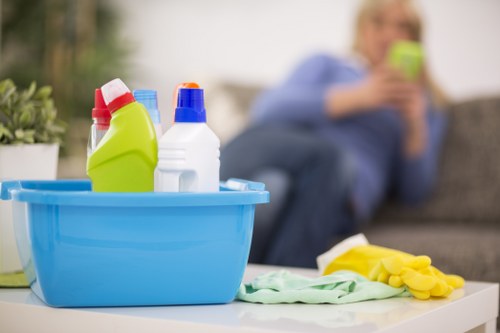
A structured routine can make oven cleaning far less stressful. Instead of tackling everything at once, break the task into manageable steps. This helps you work safely, avoid missed spots, and achieve a more thorough result. Start by gathering everything you need before opening the oven.
Here is a simple sequence to follow:
- Turn the oven off and allow it to cool completely.
- Remove racks, trays, thermometers, and any loose items.
- Clear away crumbs and large debris with a dry cloth or soft brush.
- Apply your chosen oven cleaning solution to the interior surfaces.
- Let the product sit for the recommended amount of time.
- Scrub gently using a non-abrasive pad or sponge.
- Wipe away residue with a damp cloth until the surfaces are clean.
- Clean the racks separately before returning them.
When cleaning the oven door, pay special attention to the glass. It often collects grease and baked-on marks that can make the appliance look far dirtier than it actually is. Use a soft cloth and a product suitable for glass or enamel surfaces. Avoid scratching the door with sharp tools or abrasive scrubbers, especially if the oven has a coated finish.
For stubborn spots, it may be necessary to repeat the process or allow more soaking time. Patience matters in oven cleaning. Rushing the task can leave residue behind and force you to clean the same area again later. A steady approach usually saves time in the long run.
Helpful tools for oven cleaning
- Microfiber cloths
- Non-scratch sponges
- Plastic or silicone scrapers
- Rubber gloves
- Spray bottles
- Small brushes for corners and edges
How to Handle Tough Grease and Burnt-On Residue

Some ovens only need a light wipe-down, but others develop thick layers of grease and carbon that require more effort. Tough residue usually forms when spills are left for weeks or months, then repeatedly exposed to high heat. In these cases, oven cleaning takes a little more strategy. The key is to soften the buildup before scrubbing.
A baking soda paste is a popular choice for stubborn grime. Mix baking soda with a small amount of water until it forms a spreadable paste, then apply it to the dirty areas. Leave it in place for several hours or overnight if needed. The mild abrasiveness and alkaline properties can help loosen grease without damaging many oven surfaces. After soaking, wipe the area with a damp cloth and repeat if necessary.
For extra help, you can use vinegar after the baking soda treatment. Vinegar reacts with remaining baking soda and may lift leftover residue. While this combination is not magical, it can be effective when paired with patience and repeated wiping. Never use metal tools, knives, or harsh abrasives that may scratch the oven interior.
If grease is especially thick near the oven door or bottom panel, focus on small sections at a time. Trying to clean the entire oven in one aggressive scrubbing session can be tiring and less effective. A section-by-section approach works better for heavy-duty oven cleaning and reduces the chance of missing hidden grime.
For racks, soaking often works best. Fill a tub, sink, or large container with warm soapy water and let the racks rest for a while. Once the residue softens, scrub with a non-scratch pad. This method can dramatically reduce the time needed to restore metal racks without excessive force.
What to Avoid During Oven Cleaning
Even though oven cleaning seems straightforward, a few mistakes can damage your appliance or make the job harder. One of the biggest errors is using overly abrasive tools on delicate surfaces. Scrapers, steel wool, and harsh pads can scratch enamel, glass, and coated finishes. Those scratches not only affect appearance but may also make future cleaning more difficult.
Another mistake is applying too much cleaning product. More is not always better. Excess solution can leave streaks, require additional rinsing, or create fumes if it comes into contact with hot surfaces. Always follow product instructions and use only the recommended amount for your oven cleaning task.
It is also important not to mix chemicals unless the label says it is safe. Combining certain household cleaners can produce harmful fumes or reduce effectiveness. If you switch from one cleaner to another, make sure the surface has been thoroughly wiped and rinsed first. Safety should always come before speed.
Common oven cleaning mistakes
- Cleaning a hot oven instead of allowing it to cool
- Using abrasive pads on glass or enamel
- Ignoring the racks and only cleaning the cavity
- Leaving cleaner residue behind
- Forgetting to ventilate the kitchen
- Skipping regular maintenance until buildup is severe
Good ventilation is especially important if you use a commercial oven cleaning product. Open windows, turn on extractor fans, and keep the area comfortable while working. If you are sensitive to smells or have respiratory concerns, choose a low-odor or natural alternative whenever possible.
How Often Should You Clean Your Oven?
The best oven cleaning schedule depends on how often you cook and what kind of meals you prepare. A household that bakes and roasts several times a week will likely need more frequent cleaning than one that uses the oven occasionally. In general, light maintenance after spills and a deeper cleaning every few months is a smart approach for many homes.
If you notice fresh spills, it helps to wipe them away before they harden. This simple habit makes future oven cleaning much easier. Once residue is burned on, removal becomes significantly more time-consuming. Preventive care is always less demanding than dealing with a heavy buildup later.
For busy households, a monthly inspection can be useful. You do not necessarily need to perform a full cleaning every month, but checking the oven for grease, crumbs, and odors helps you stay ahead of problems. Regular oven cleaning routines usually mean less scrubbing overall and better appliance performance.
Suggested cleaning rhythm
- After each spill: wipe once the oven is cool
- Weekly: do a quick visual check and remove loose crumbs
- Monthly: clean the door glass and spot-treat buildup
- Every few months: perform a full oven cleaning session
Should You Clean It Yourself or Hire a Professional?
Many people can handle oven cleaning on their own, especially if the buildup is moderate. DIY cleaning is often cost-effective and flexible, and it allows you to choose the products you are comfortable using. If you have time, basic supplies, and a manageable level of grime, doing it yourself can be a practical solution.
However, professional oven cleaning may be worthwhile in certain situations. If your oven is heavily coated with carbon, if the smell is persistent, or if you simply do not have the time and energy to scrub thoroughly, a trained service may be the better option. Professionals often have specialized tools and stronger methods that can restore neglected ovens more efficiently.
Consider professional help if:
- The oven has years of buildup
- You are preparing a property for sale or rental
- You want a deep clean without handling chemicals
- Your oven has hard-to-reach areas that need attention
- You are concerned about damaging delicate components
For households that value convenience, booking a service can save time and reduce effort. If you decide to outsource oven cleaning, look for a provider that uses safe methods and understands your oven type. Book your service now if you want to save hours of scrubbing and enjoy a cleaner kitchen sooner.
Oven Cleaning and Appliance Longevity
Regular oven cleaning is one of the easiest ways to extend the life of your appliance. Grease and food debris do more than make an oven look untidy; they can contribute to wear over time. When residue is allowed to accumulate near heating elements, seals, and vents, it may affect the oven’s performance and create unnecessary strain.
Keeping surfaces clean also helps you spot issues earlier. A quick oven cleaning routine may reveal loose seals, damaged racks, chipped enamel, or unusual discoloration. Detecting these signs early makes it easier to address minor problems before they turn into expensive repairs.
That is why oven cleaning should be seen as part of routine home care, not an occasional emergency task. A clean oven is easier to maintain, easier to use, and often more pleasant to cook with. When you treat it consistently, the results show up in everyday cooking, energy efficiency, and overall kitchen hygiene.
Long-term benefits of routine cleaning
- Improved cooking consistency
- Reduced smoke and odor
- Better-looking kitchen appliances
- Lower chance of stubborn buildup
- Longer appliance lifespan
Final Thoughts on Oven Cleaning
Oven cleaning does not have to be a dreaded household task. With the right method, a sensible schedule, and a little consistency, it becomes a manageable part of maintaining a healthy and efficient kitchen. Whether you prefer natural solutions, manual scrubbing, self-cleaning functions, or professional help, the goal is the same: remove buildup before it becomes a bigger problem.
By staying alert to signs such as smoke, odors, and visible grease, you can act early and avoid more intensive scrubbing later. A clean oven looks better, works better, and supports better cooking results. It also creates a safer environment by reducing the risk of smoke and residue-related issues. If your oven is overdue for attention, now is a great time to start.
Make oven cleaning part of your regular home care routine so your appliance stays efficient and reliable. If your oven needs more than a quick wipe-down, take the next step and contact us today or book your service now to restore it properly and keep your kitchen in top condition.